
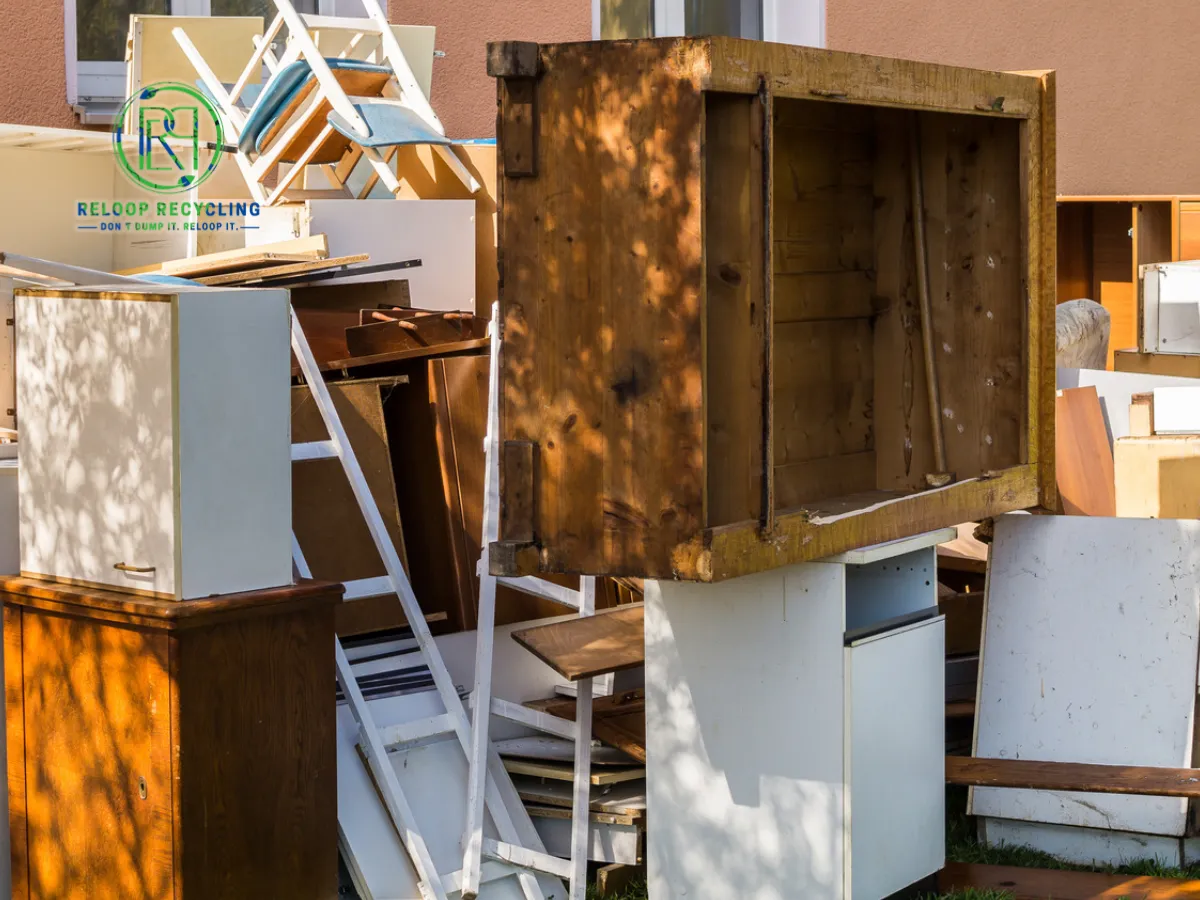
That old sofa occupying your living room, the damaged wardrobe you have been planning to replace, or the dining table collecting dust in your storage room may look like ordinary household clutter. But have you ever wondered where these pieces of furniture go after they leave your home? Every household eventually faces the challenge of old furniture removal. Whether you are shifting to a new house, renovating your interiors, upgrading your office, or simply making more space, getting rid of unwanted furniture is not always as easy as it sounds. Furniture is often bulky, heavy and difficult to transport, and throwing it away without considering other options can contribute to unnecessary waste. The good news is that old furniture does not always have to become garbage. Depending on its condition and material, it can be repaired, reused, donated, sold, refurbished or recycled. The key is understanding the right disposal method and making a responsible decision.
Why Has Old Furniture Removal Become an Important Issue?
Our lifestyles and living spaces are changing. People move homes more frequently, families upgrade their interiors, offices adopt modern furniture, and businesses renovate their workspaces to accommodate changing requirements. As a result, furniture that was purchased only a few years ago may suddenly become unwanted. The growing demand for modern interiors and ready-to-assemble furniture has also changed how people purchase and replace household items. However, the furniture we discard does not simply disappear after collection. It must be transported, sorted, reused, dismantled or processed. According to the US Environmental Protection Agency (EPA), approximately 12.1 million tons of furniture and furnishings entered the US municipal solid waste stream in 2018. Of this amount, approximately 80.1% was landfilled. Although these figures relate specifically to the United States and should not be treated as global statistics, they demonstrate how significant furniture disposal can become when reuse and recovery are not prioritised. Old furniture removal is therefore not just about clearing space in a home or office; it is also about managing materials responsibly and reducing unnecessary pressure on waste disposal systems.
What Types of Old Furniture Usually Need Removal?
Furniture removal covers much more than old sofas and wooden chairs. Almost every household, office, hotel, educational institution and commercial property generates unwanted furniture at some point. Common household items include sofas, couches, beds, mattresses, wardrobes, cupboards, dining tables, coffee tables, bookshelves, dressing tables, shoe racks and study desks. Offices frequently dispose of old workstations, office chairs, conference tables, filing cabinets, storage units and reception furniture. Commercial properties such as hotels, restaurants and retail stores may also need bulk furniture removal during renovation or replacement projects. Each type of furniture presents different disposal challenges. A wooden cupboard may be suitable for repair or material recovery, while a damaged upholstered sofa may contain several materials, including foam, fabric, metal springs and wooden framing. Understanding the composition of furniture is important because it helps determine whether an item can be reused, dismantled or recycled efficiently.
What Should You Do Before Throwing Away Old Furniture?
Before arranging furniture disposal, take a moment to evaluate the condition of each item. A piece of furniture that looks outdated may still be structurally sound and useful. Start by checking whether the frame is strong, whether the drawers and doors work properly, whether the upholstery is in acceptable condition and whether the item has any serious damage. If the furniture only needs minor repairs, polishing, painting, new handles or replacement fabric, refurbishment may be a better option than disposal. For example, an old wooden dining table can sometimes be restored through sanding and polishing, while a damaged wardrobe may become usable again after replacing hinges or repairing its shelves. This approach saves resources, reduces waste and can also be more economical than purchasing new furniture. However, furniture affected by severe mould, pest infestation, structural failure or contamination may not be suitable for donation or reuse and should be handled appropriately.
7 Smart Ways to Remove and Dispose of Old Furniture
1. Sell Your Old Furniture
If your furniture is still in good condition, selling it is one of the most practical ways to recover some of its original value. Second-hand furniture has a market among students, renters, newly married couples, small businesses and people furnishing new homes on a budget. Online marketplaces, local resale groups, classified platforms and second-hand furniture dealers can help connect sellers with buyers. Before listing an item, clean it properly, take clear photographs from different angles, mention its dimensions, material, age and condition, and be honest about any damage. A reasonable price and transparent description can make the selling process easier.
2. Donate Furniture to People Who Need It
Furniture that is no longer useful to one household may be valuable to another. Functional beds, tables, chairs, cupboards and study desks can support families, charitable organisations, community centres, schools and other institutions. Before donating, check whether the recipient accepts the particular item and whether it meets basic safety and usability requirements. Some organisations may also arrange collection, while others may require you to deliver the furniture yourself. Donation is especially meaningful because it extends the useful life of furniture and helps people who may not be able to afford new products.
3. Repair and Refurbish Old Furniture
Not every damaged item needs to be discarded. A professional carpenter or furniture restoration service may be able to repair loose joints, replace broken legs, fix drawer mechanisms, restore wooden surfaces or change upholstery. Refurbishment can also give outdated furniture a completely new appearance. An old cabinet can become a modern storage unit, an unused wooden table can become a study desk, and a worn-out chair can look attractive again with fresh upholstery. Repairing furniture also supports skilled local workers and reduces demand for new raw materials.
4. Recycle Furniture and Recover Useful Materials
When furniture is no longer suitable for reuse or repair, recycling may be the next option. Many furniture products contain recoverable materials such as wood, metal, glass, plastic and certain textiles. Metal frames, hinges, handles and other metal components may be separated and sent to appropriate scrap or recycling facilities. Some untreated wood can be reused or processed into other wood-based products, depending on its quality and the facilities available. However, furniture recycling is not always straightforward because many products combine different materials using adhesives, coatings, fasteners and upholstery. Proper dismantling and material separation are often necessary before recycling can take place.
5. Contact a Professional Furniture Removal Service
If you have bulky items, multiple pieces of furniture or heavy objects that are difficult to move, a professional old furniture removal service can simplify the process. Such services may provide collection, loading, transportation, dismantling and disposal support. Before hiring a provider, ask where the collected furniture will go, whether reusable items are separated, whether recycling is arranged and whether any disposal charges apply. A responsible provider should be able to explain its collection and disposal process rather than simply promising to remove everything.
6. Give Furniture to Second-Hand Dealers or Resellers
Second-hand furniture dealers often purchase usable furniture, sometimes after minor repairs or cleaning. This can be a convenient option when you want to clear space quickly without managing individual online buyers. The amount offered will depend on the item’s age, condition, material, brand, demand and transportation requirements. Although the price may be lower than a direct sale, dealers can provide a relatively quick solution for suitable furniture.
7. Upcycle Furniture for a New Purpose
Upcycling means converting unwanted furniture or its components into something useful or decorative instead of sending them directly for disposal. Old wooden doors can become tabletops, unused drawers can be converted into storage boxes, and wooden cabinets can be transformed into display units. Even furniture that is no longer suitable for its original purpose may contain components worth saving. Upcycling encourages creativity, reduces waste and makes better use of existing materials.
Understanding the Furniture Recycling Process
Many people assume that old furniture can simply be placed into a recycling machine. In reality, furniture recycling often requires several stages of sorting and dismantling. First, the collected furniture is inspected to determine whether it can be reused, repaired or refurbished. Items that remain functional are separated for resale, donation or reuse. Furniture that cannot be recovered in its original form may be dismantled, with different components separated according to material type. Metal parts such as screws, hinges, brackets and frames can be directed towards metal recovery. Suitable wood may be reused or processed into wood-based materials, while recyclable plastics, glass and other components can be sent to appropriate processing facilities. Upholstered furniture requires additional attention because it may contain foam, fabric, leather, springs, adhesives and mixed materials that are difficult to separate. Some materials may not have a viable recycling route in a particular location and may require appropriate residual waste management. The efficiency of the entire process depends on the quality of sorting, availability of recycling infrastructure and cooperation between households, collectors, dismantlers and recycling facilities.
Why Should You Avoid Dumping Old Furniture in Open Areas?
Leaving unwanted furniture on roadsides, vacant plots, public spaces or near regular waste collection points may appear to be a quick solution, but it can create several problems. Large furniture items occupy valuable space, obstruct public areas and contribute to an unsightly environment. When exposed to rain and sunlight, some materials may deteriorate, while broken furniture can create safety hazards. Mattresses, upholstered sofas and damaged wooden products may also become difficult to handle once mixed with other waste. Informal dumping makes collection and material recovery more complicated because items are no longer properly sorted. The better approach is to contact your local municipal authority, check available bulky waste collection arrangements or use a responsible furniture removal provider. In India, the Solid Waste Management Rules, 2026 came into force on 1 April 2026 and establish a framework for more systematic solid waste management, including defined responsibilities for local bodies and other stakeholders. Residents should check the applicable municipal arrangements in their city for the collection and handling of bulky household items.
How to Choose the Right Old Furniture Removal Company
Selecting a furniture removal company should involve more than comparing collection charges. A low-cost service may remove furniture quickly but may not necessarily ensure that reusable or recyclable materials are recovered responsibly. Before making a decision, check the company’s service coverage, collection charges, transportation arrangements, availability of dismantling support and disposal practices. Ask whether it accepts individual household items or bulk commercial furniture, whether it collects from apartments and upper floors, and whether it provides a collection receipt or documentation where appropriate. Most importantly, ask what happens after collection. Does the company sell reusable furniture, donate suitable items, refurbish damaged pieces or separate recyclable materials? Transparency about the final destination of collected furniture is an important sign of responsible service. If you are arranging office or institutional furniture removal, it is also useful to request an itemised quotation and a clear collection schedule.
Factors That Affect Old Furniture Removal Costs
The cost of furniture removal depends on several practical factors, so there is no single price that applies to every household. The number and size of furniture items, their weight, accessibility, distance from the collection vehicle, dismantling requirements and transportation arrangements can all influence the final charge. For example, collecting one small chair is very different from removing several wardrobes, beds and large sofas from an apartment without lift access. Some providers may charge per item, while others may calculate costs based on vehicle size, labour, distance or the total volume of furniture. In certain cases, furniture with resale or scrap value may reduce the overall collection cost, but this depends on its condition and market demand. To avoid unexpected charges, share photographs, approximate dimensions, the collection address and access details before requesting a quotation. Always confirm whether loading, dismantling, transportation and disposal are included in the quoted amount.
Old Furniture Removal for Homes, Offices and Commercial Properties
The requirements for furniture disposal differ depending on the type of property. In residential spaces, removal often happens during house shifting, renovation, decluttering or replacement of old furniture. Homeowners usually need convenient collection, affordable transportation and a responsible way to handle a limited number of items. Office furniture removal is often more complex because it may involve large quantities of desks, workstations, chairs, cabinets and conference tables. Businesses should plan the process in advance, prepare an inventory, identify reusable items and coordinate collection to minimise disruption to employees. Hotels, restaurants, educational institutions and other commercial establishments may require scheduled bulk removal during refurbishment or facility upgrades. In such situations, working with an experienced service provider can help manage dismantling, sorting, loading and transportation more efficiently.
How Households Can Make Furniture Disposal More Sustainable
Responsible furniture disposal begins much earlier than the day an item is collected. When buying new furniture, consider durability, repairability, material quality and the availability of replacement parts. Choose furniture that can be maintained rather than products designed for very short-term use. Avoid replacing functional items simply because they no longer match a particular interior trend. When furniture becomes unwanted, prioritise reuse, repair and donation before considering recycling or final disposal. Keep reusable furniture separate from damaged items, and avoid mixing it with wet household waste or other materials that may make recovery difficult. These small decisions can collectively support a more resource-efficient approach to furniture consumption and disposal.
The Future of Furniture Disposal: From Waste Management to a Circular Economy
The traditional approach to unwanted furniture has often been simple: collect it, transport it and dispose of it. However, a more sustainable model focuses on extending the life of products and recovering the resources they contain. This is the basic idea behind a circular economy. Instead of following a straight line from manufacturing to purchasing and disposal, a circular system encourages repair, refurbishment, resale, reuse and recycling. Businesses can contribute by designing durable furniture, offering repair services, using recyclable materials and developing take-back programmes. Consumers can support the same approach by choosing quality products, maintaining their furniture and disposing of unwanted items responsibly. Furniture removal companies also have an important role to play because they connect households and businesses with resale markets, donation networks, repair workshops and recycling facilities. The more efficiently these connections work, the less valuable material is lost through unnecessary disposal.
Conclusion: Your Old Furniture Could Be Someone Else’s Valuable Resource
Removing old furniture is often treated as a routine household task, but the decisions we make during disposal have a wider impact. A sofa that no longer fits your living room may be useful to another family. An old wooden table may be restored instead of replaced. A damaged metal frame may still contain recyclable materials. The important thing is not to treat every unwanted item as waste without first exploring its possibilities. Before arranging old furniture removal, consider whether the item can be sold, donated, repaired, refurbished, upcycled or recycled. If professional collection is necessary, choose a provider that explains how it handles collected materials and supports responsible disposal. A cleaner home should not mean a more polluted environment. The real success of furniture removal is not simply how quickly we clear unwanted items, but how much value we can save from becoming waste.
Frequently Asked Questions (FAQs)
What is the best way to remove old furniture?
The best method depends on the furniture’s condition. Sell or donate functional items, repair furniture with minor damage, and recycle suitable materials from items that cannot be reused. For bulky or heavy furniture, consider a professional removal service.
What happens to furniture after it is collected?
Depending on the provider and the condition of the furniture, items may be resold, donated, repaired, refurbished, dismantled for material recovery or sent for appropriate disposal.
Do I need to dismantle furniture before collection?
Not necessarily. Many removal companies can arrange dismantling as part of their service. However, you should confirm this during booking because some providers expect customers to disassemble furniture before collection.

Raju Lajwani
 Connect on LinkedIn