Responsible recycling is essential for protecting the environment, conserving natural resources, and reducing the amount of waste sent to landfills. As electronic devices, plastic packaging, metals, and other consumer products become increasingly common, managing waste responsibly has become a global priority.
Responsible recycling involves collecting, sorting, reusing, refurbishing, and processing waste through environmentally sound methods. Instead of treating discarded products as useless waste, recycling helps recover valuable materials and gives resources a second life.
For businesses and individuals looking to reduce their environmental footprint, choosing reliable recycling services is an important step towards a cleaner and more sustainable future. Companies such as Reloop Recycling support the broader goal of responsible resource management through recycling, reuse, and responsible end-of-life handling of electronic equipment.
What Is Responsible Recycling?
Responsible recycling is the process of managing discarded materials in a way that minimises environmental harm while maximising reuse and material recovery. It includes proper waste segregation, safe transportation, appropriate treatment, and the recovery of reusable materials.
Unlike improper waste disposal, responsible recycling prioritises environmental protection, resource efficiency, and compliance with applicable regulations.
Some common examples of responsible recycling include:
- E-waste recycling: Recycling old computers, laptops, mobile phones, and electronic equipment.
- Plastic recycling: Processing suitable plastic waste into reusable materials.
- Metal recycling: Recovering aluminium, copper, steel, and other valuable metals.
- Paper recycling: Turning used paper and cardboard into new paper products.
- IT asset disposal: Managing retired computers, servers, storage devices, and other IT equipment securely.
By adopting responsible recycling practices, individuals and organisations can reduce waste and contribute to a more sustainable economy.
Why Is Responsible Recycling Important?
Responsible recycling offers significant environmental and economic benefits. As waste generation increases, effective recycling systems help reduce the pressure on natural resources and waste management infrastructure.
1. Reduces Environmental Pollution
Improper disposal of waste can contaminate soil and water and release harmful substances into the environment. Electronic waste is a particular concern because certain devices contain hazardous components that require specialised handling.
Professional e-waste recycling helps ensure that electronic products are processed through appropriate channels.
2. Conserves Natural Resources
Many discarded products contain valuable resources, including copper, aluminium, iron, glass, and reusable plastics. Recycling recovers these materials and reduces the need to extract additional raw materials.
This supports resource conservation and more efficient manufacturing.
3. Reduces Landfill Waste
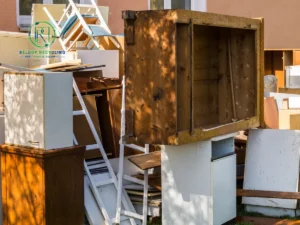
Landfills occupy valuable land and can create environmental management challenges. Reusing, refurbishing, and recycling suitable materials can divert waste from disposal facilities.
Responsible recycling helps ensure that discarded products are evaluated for reuse or material recovery before final disposal.
4. Supports a Circular Economy
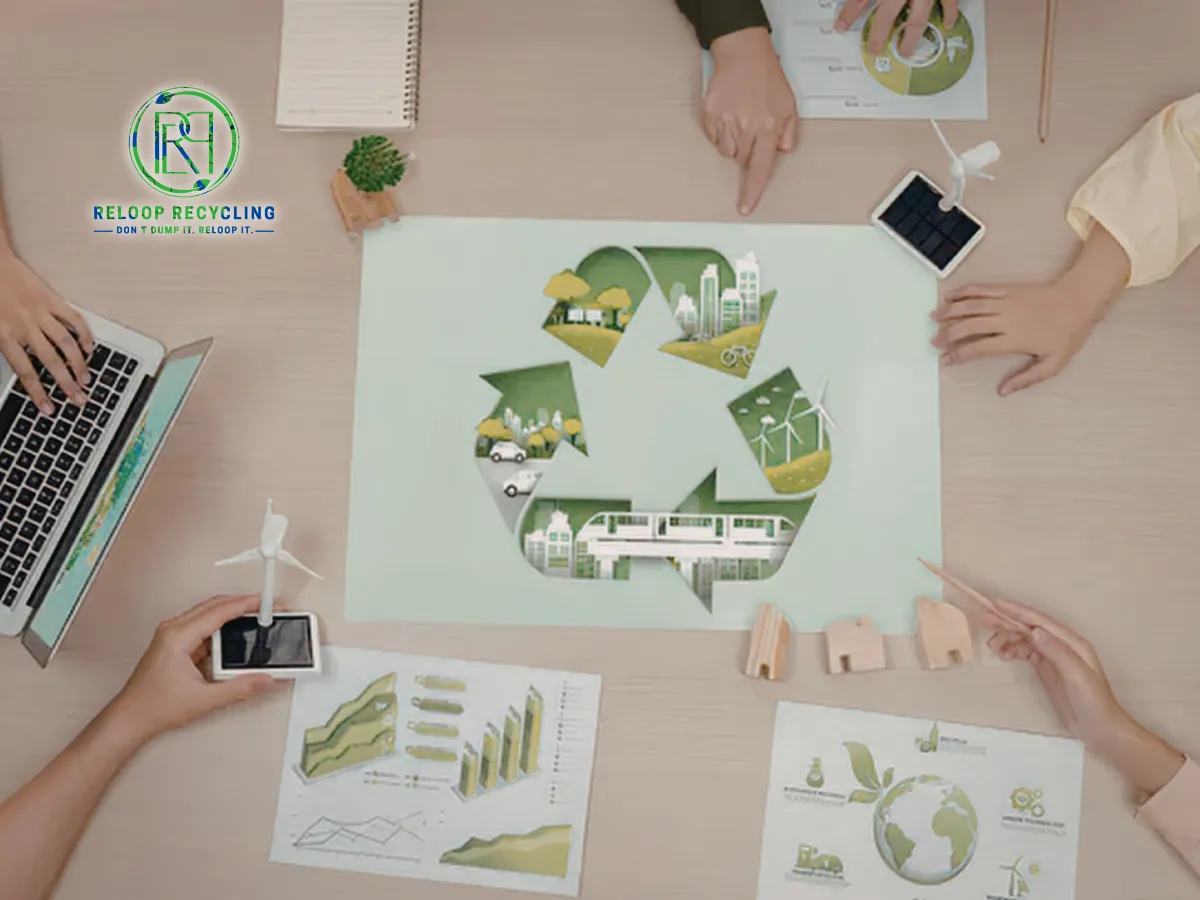
A circular economy focuses on keeping products and materials in use for as long as possible. Instead of following a linear model of manufacturing, using, and discarding products, circular systems prioritise repair, reuse, refurbishment, and recycling.
Responsible recycling is a key part of this approach because it helps recover resources that can be used again.
E-Waste Recycling: An Essential Part of Responsible Recycling
E-waste recycling is one of the most important aspects of modern waste management. Electronic waste, also known as e-waste, includes discarded computers, laptops, smartphones, printers, servers, televisions, and other electrical or electronic equipment.
As technology advances, organisations and households regularly replace electronic devices. Without proper electronic waste management, these products can become an environmental and data-security concern.
A responsible e-waste recycling process generally includes the following steps:
- Collection: Gathering unwanted electronic equipment from households, businesses, and institutions.
- Assessment: Identifying devices that may be repaired, refurbished, or reused.
- Data sanitisation: Securely erasing confidential information from eligible storage devices.
- Dismantling and sorting: Separating equipment into components and material categories.
- Material recovery: Sending suitable materials to appropriate recycling and recovery facilities.
- Responsible residual management: Ensuring remaining waste is handled through authorised and environmentally appropriate channels.
Choosing a reliable e-waste recycling company helps organisations manage obsolete electronics more responsibly while supporting resource recovery.
Benefits of Choosing Professional Recycling Services
Professional recycling services can help businesses manage waste more efficiently and improve their environmental performance.
Better Waste Management
Specialised providers can help organisations establish collection, segregation, recycling, and documentation procedures suited to their waste streams.
Secure IT Asset Disposal
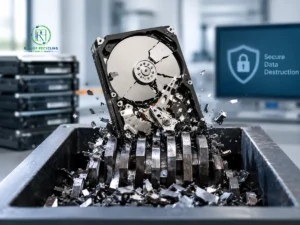
Businesses frequently retire computers, servers, storage devices, and networking equipment containing sensitive information. Secure data sanitisation or physical destruction, where appropriate, can help protect confidential business and customer data.
Improved Regulatory Compliance
Organisations should ensure that their recycling arrangements comply with applicable environmental, electronic waste, and data-protection requirements. In India, businesses handling e-waste should pay particular attention to the applicable E-Waste Management Rules and relevant Central Pollution Control Board requirements.
Support for Sustainability Goals
Responsible recycling can contribute to corporate sustainability initiatives, environmental reporting, and resource-efficiency programmes. Accurate reporting should be based on documented recycling outcomes rather than unsupported environmental claims.
How to Choose the Right E-Waste Recycling Company
Selecting an appropriate recycling partner is important for businesses that want to dispose of electronic equipment responsibly.
Consider the following factors when evaluating an e-waste recycling company:
- Regulatory authorisation: Check applicable registrations, authorisations, and regulatory status.
- Transparent processes: Understand how equipment is collected, processed, reused, and recycled.
- Data security: Ask about data sanitisation methods and certificates of destruction, where applicable.
- Traceability: Request records showing how collected equipment and recovered materials are handled.
- Environmental practices: Confirm that hazardous components and residual waste are managed appropriately.
- Reporting and documentation: Look for clear records that support internal audits and sustainability reporting.
A suitable recycling partner should provide transparent information about its services, processes, and environmental responsibilities.
The Role of Reloop Recycling in Responsible Recycling
Responsible recycling requires collaboration between businesses, consumers, manufacturers, and recycling providers. Reloop Recycling can be explored as a potential partner for organisations seeking information about electronic waste recycling, IT asset management, reuse, and sustainable resource recovery.
Businesses considering Reloop Recycling should review its current service offerings, geographic coverage, relevant authorisations, data-security procedures, and recycling documentation before selecting services.
Working with an appropriate recycling provider can help organisations develop a more structured approach to end-of-life electronics and responsible waste management.
Best Practices for Responsible Recycling at Home and in the Workplace
Adopting responsible recycling does not need to be complicated. A few practical measures can make a meaningful difference.
- Separate recyclable materials from general waste.
- Repair or donate functional electronics where appropriate.
- Avoid disposing of electronic devices with ordinary household rubbish.
- Use suitable collection and recycling channels for batteries and electronic equipment.
- Remove personal information from devices before transferring them, using secure data-erasure methods.
- Keep records of business equipment sent for reuse or recycling.
- Educate employees and household members about waste segregation.
- Prioritise reducing consumption and reusing products before recycling them.
These measures help improve waste management while encouraging more sustainable consumption habits.
The Future of Responsible Recycling
The future of responsible recycling will increasingly depend on better collection systems, improved recycling technologies, product durability, repairability, and stronger circular-economy practices.
Businesses are also paying greater attention to the environmental impact of their products and equipment throughout their life cycles. As awareness of electronic waste grows, responsible recycling and secure IT asset disposal are likely to remain important considerations for organisations of all sizes.
Technology, transparent supply chains, and responsible consumer behaviour can help improve recycling outcomes and reduce avoidable waste.
Conclusion
Responsible recycling is more than simply sorting waste. It is a practical approach to conserving resources, reducing pollution, protecting sensitive information, and supporting a circular economy.
From everyday household recycling to professional e-waste recycling and IT asset disposal, every responsible action can help improve waste management. Businesses can strengthen their approach by selecting appropriate recycling partners, maintaining clear documentation, and prioritising reuse and material recovery.
By making responsible recycling part of everyday decisions, individuals and organisations can contribute to a cleaner environment and a more sustainable future.
Looking for responsible recycling solutions? Explore Reloop Recycling‘s current services and discover how appropriate e-waste management, reuse, and resource recovery can support your sustainability objectives.

Raju Lajwani
 Connect on LinkedIn