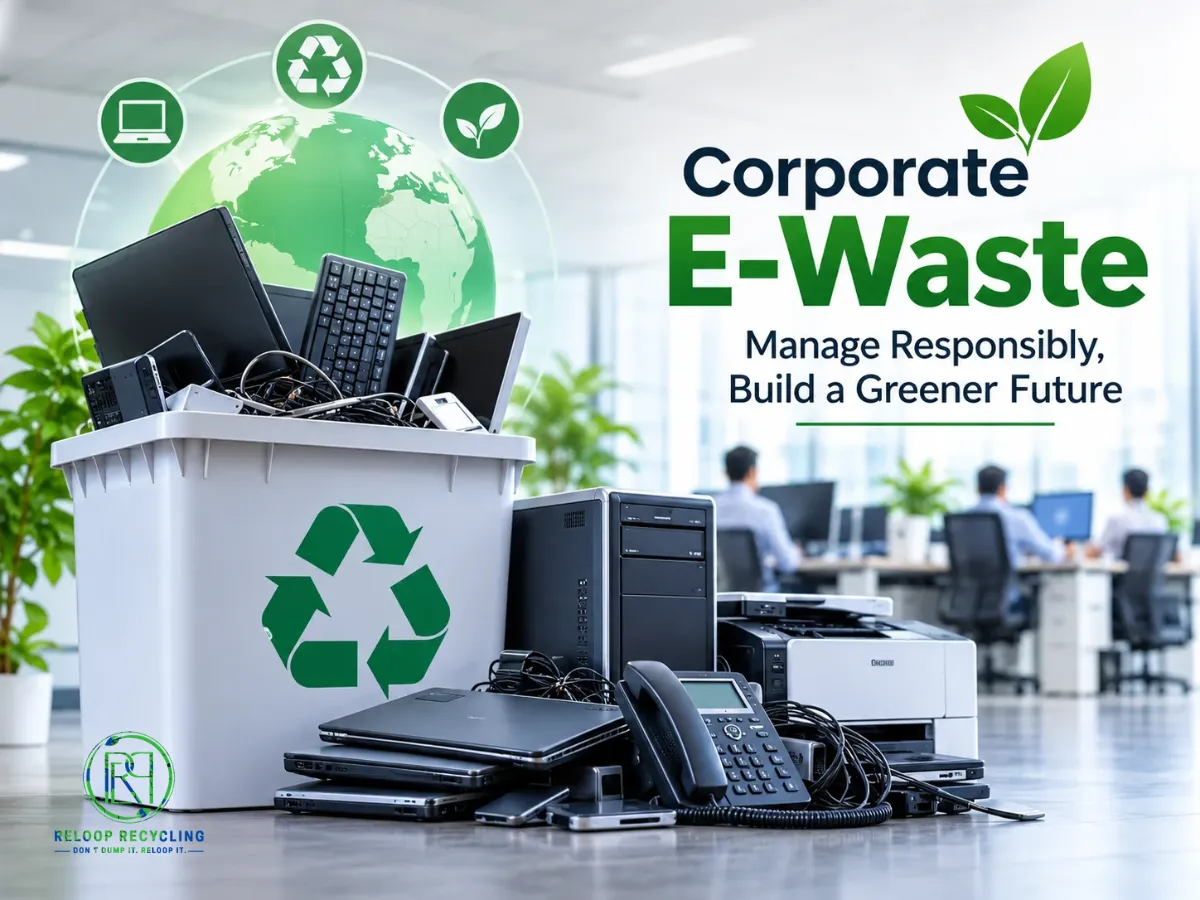
As businesses continue to adopt new technologies, the amount of electronic waste generated by organizations is also increasing. From laptops and desktops to mobile phones, servers, printers and other IT equipment, corporate offices regularly replace devices to meet changing business requirements. However, frequent upgrades and unnecessary replacements contribute to a growing e-waste problem, increase operational costs and negatively impact the environment.
Understanding how to reduce corporate ewaste is becoming increasingly important for organizations that want to operate more sustainably. It is not simply about recycling old computers; it is about managing the entire lifecycle of IT assets, from purchasing and everyday use to repair, reuse and responsible disposal.
5 Practical Ways Businesses Can Build a Sustainable IT Environment
Here are five practical ways businesses can reduce electronic waste and build a more sustainable approach to technology.
1. Make smarter purchasing decisions
One of the most effective ways to reduce e waste is to avoid unnecessary purchases in the first place. Instead of constantly investing in the latest devices, companies should prioritize durable, repairable and upgradeable equipment.
Choosing laptops and desktops with modular components, longer warranties and certifications such as EPEAT or TCO Certified can help extend their useful life. For example, a laptop does not necessarily need to be replaced after three years. Upgrading its RAM or SSD can often improve performance and extend its lifespan to four or five years.
Businesses can also explore device-as-a-service or leasing models, where vendors take responsibility for refurbishing and managing equipment at the end of its usage period.
2. Extend the life of existing IT equipment
Before replacing any device, organizations should consider whether it can be repaired or upgraded. Common issues such as damaged screens, faulty keyboards and aging batteries can often be fixed without purchasing an entirely new device.
Companies can establish partnerships with authorized repair vendors or train their internal IT teams to handle routine maintenance.
Another effective approach is internal redeployment. For instance, a laptop that is no longer suitable for a software developer may still work perfectly well for an employee whose role requires basic office applications.
Standardizing equipment models across departments also makes repairs easier because compatible components can be reused or replaced when needed.
3. Resell or donate unused equipment
Not every device that is no longer required by a company is electronic waste. Many computers and other IT assets still have considerable value and can serve another user.
Businesses can work with certified IT Asset Disposition (ITAD) vendors to refurbish and resell their old equipment or donate it to schools, educational institutions and nonprofit organizations.
This approach not only reduces waste but also helps recover some of the original investment while making technology accessible to communities that need it.
Before transferring any device, companies must ensure that confidential business and customer data has been securely erased.
4. Ensure responsible e-waste disposal
Some IT equipment eventually reaches the end of its usable life and cannot be repaired, upgraded or reused. In such situations, responsible recycling becomes essential.
Organizations should partner with certified e-waste recyclers that follow recognized standards such as R2v3 or e-Stewards. They should also request proper documentation and downstream audit trails to understand how discarded equipment and materials are handled.
This is particularly important because improper recycling can result in hazardous electronic components being exported, dumped or processed in unsafe conditions.
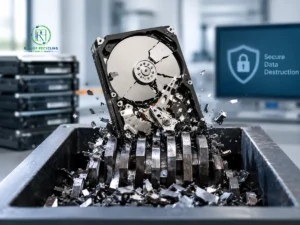
Businesses should also obtain certificates of data destruction, following practices such as NIST 800-88-compliant data wiping or physical destruction of storage devices, to protect sensitive information.
5. Introduce a corporate e-waste management policy
Long-term e-waste reduction requires a clear strategy rather than occasional recycling drives. Businesses should maintain an updated IT asset inventory to track where devices are being used, how old they are and when they need maintenance, redeployment or disposal.
A strong procurement policy should encourage the purchase of energy-efficient, durable equipment and prioritize suppliers offering take-back programs and recycled materials.
Companies can also organize regular collection drives for unused phones, chargers, cables, keyboards and other electronic accessories.
Another useful step is to measure and report e-waste generation as part of the organization’s Environmental, Social and Governance (ESG) goals. Tracking the quantity of equipment reused, donated, recycled and disposed of helps businesses evaluate their progress and identify opportunities for improvement.
Why Reducing Corporate E-Waste Matters
When discussing how to reduce e waste, businesses should look beyond recycling and focus on preventing unnecessary waste from being generated. Every device repaired instead of replaced, every laptop redeployed to another employee and every electronic component responsibly recycled contributes to a more sustainable IT environment.
Adopting these practices can help organizations lower equipment procurement costs, improve resource efficiency, protect sensitive data and reduce their environmental footprint.
Ultimately, learning how to reduce corporate ewaste is about making smarter technology decisions at every stage of an asset’s lifecycle. By purchasing responsibly, extending device lifespans, encouraging reuse and ensuring proper disposal, businesses can reduce electronic waste while building a more cost-effective and environmentally responsible future.
Why is corporate e-waste management important?
Corporate e-waste management helps businesses minimize environmental pollution, reduce the use of natural resources and prevent hazardous electronic materials from entering landfills. It can also lower IT procurement costs, improve resource efficiency and support corporate sustainability and ESG objectives.
How can businesses ensure responsible e-waste recycling?
Businesses should partner with certified recyclers that follow recognized standards such as R2v3 or e-Stewards. They should request recycling documentation, downstream audit trails and certificates of data destruction to ensure that electronic equipment is handled securely and responsibly.
How to reduce e-waste in corporate organizations?
Corporate organizations can reduce e-waste by implementing a structured IT asset management policy. This should include responsible procurement, regular maintenance, internal device redeployment, secure data destruction and environmentally responsible recycling. Tracking e-waste volumes can also help companies measure their sustainability performance.