Lithium-ion batteries have become an important part of modern life. They power smartphones, laptops, electric vehicles, energy storage systems and many other devices people use every day. As the demand for electric vehicles and renewable energy storage continues to grow, the number of used lithium-ion batteries is also increasing.
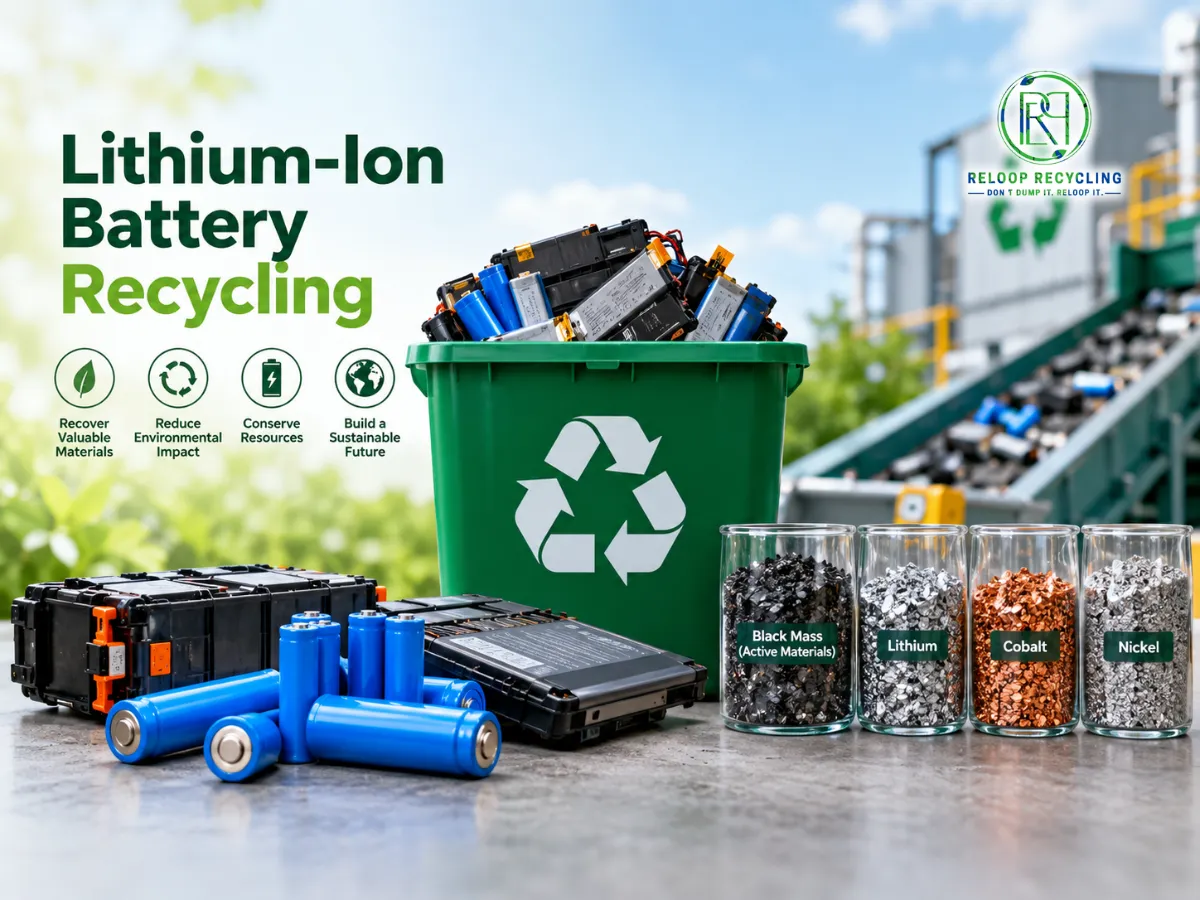
Unlike regular household waste, lithium-ion batteries cannot simply be thrown away. They contain valuable materials such as lithium, cobalt, nickel, copper, manganese and graphite. These materials can be recovered and reused to create new batteries. Proper recycling helps reduce waste, protect natural resources and build a more sustainable battery supply chain.
Lithium-ion battery recycling is the process of collecting, safely handling and processing used batteries to recover useful materials. The recovered materials can return to manufacturing processes and reduce the need for new raw material extraction.
Looking for a responsible way to manage end-of-life batteries? Explore our Lithium-Ion Battery Recycling Services.
Lithium-Ion Battery Recycling ServicesWhat Is Lithium-Ion Battery Recycling?
Lithium-ion battery recycling involves recovering valuable components from old or damaged batteries and preparing them for reuse. These batteries come from many sources including electric vehicles, consumer electronics, power tools and energy storage systems.
A lithium-ion battery contains several important parts:
- Cathode: The positive electrode that contains materials such as lithium, nickel, cobalt and manganese.
- Anode: The negative electrode usually made with graphite.
- Electrolyte: A chemical solution that allows lithium ions to move between electrodes.
- Current collectors: Metal parts made from materials like copper and aluminum.
- Battery casing: The protective outer structure.
During recycling, these components are separated and processed to recover valuable materials.
The goal is not only to reduce battery waste. It is also to create a circular economy where battery materials can be used again instead of depending completely on mining new resources.
Why Lithium-Ion Battery Recycling Is Important
The global shift toward electric vehicles has increased battery production significantly. While lithium-ion batteries help reduce dependence on fossil fuels, their production requires large amounts of minerals and energy.
Recycling helps address several important challenges.
Reduces Dependence on Mining
Lithium, cobalt and nickel are limited resources. Mining these materials requires significant energy and can impact ecosystems.
By recovering materials from used batteries, manufacturers can reduce the need for extracting new resources. Recycled materials can become part of the supply chain for new battery production.
Prevents Battery Waste From Entering Landfills
Lithium-ion batteries contain reactive materials. If they are damaged or improperly disposed of, they can create safety risks including fires.
Throwing batteries into regular waste streams can damage recycling equipment and create hazards for workers. Safe collection and recycling provide a better solution for managing battery waste.
Supports a Circular Battery Economy
A circular battery economy focuses on keeping valuable materials in use for as long as possible.
Instead of extracting raw materials, producing batteries and disposing of them after use, recycling allows materials to move through a continuous cycle:
Raw materials → Battery production → Battery use → Recycling → New battery production
This approach helps reduce waste and improve resource efficiency.
How Does Lithium-Ion Battery Recycling Work?
The recycling process involves several stages. The exact method depends on the battery type, chemistry and recycling technology used.
1. Battery Collection and Transportation
The first step is collecting used lithium-ion batteries from different sources.
Common sources include:
- Electric vehicle batteries
- Smartphones and laptops
- Industrial equipment
- Power tools
- Renewable energy storage systems
Because lithium-ion batteries can store electrical energy even after use, they require careful transportation. Damaged batteries need additional safety measures to prevent overheating or fires.
2. Battery Testing and Sorting
Before recycling begins, batteries are inspected and sorted.
Technicians check:
- Battery condition
- Remaining charge level
- Battery chemistry
- Physical damage
Some batteries may still have useful life remaining. Instead of immediate recycling, they can sometimes be reused in second-life applications such as stationary energy storage.
3. Battery Discharging
Before processing, batteries are usually discharged to reduce safety risks.
Removing stored energy helps prevent short circuits and thermal events during recycling.
This step is especially important for large electric vehicle battery packs.
4. Battery Dismantling
Large battery packs are carefully opened and separated.
Workers or automated systems remove:
- Battery modules
- Electronic components
- Metal frames
- Cooling systems
- Individual cells
The goal is to separate materials safely while preparing cells for further processing.
5. Mechanical Processing
Many recycling facilities use mechanical methods to break batteries into smaller pieces.
This process may include:
- Crushing
- Shredding
- Screening
- Magnetic separation
The output is often called black mass. Black mass contains valuable materials including lithium, cobalt, nickel and manganese.
Further processing is required to separate these materials.
Main Lithium-Ion Battery Recycling Methods
Several technologies are used to recover materials from lithium-ion batteries.
Pyrometallurgical Recycling
Pyrometallurgy uses high temperatures to process battery materials.
During this method:
- Batteries are heated in furnaces.
- Organic materials are removed.
- Metals such as cobalt, nickel and copper are recovered.
This method is commercially established and can process different battery types. However, it requires high energy input and may recover fewer materials compared with newer techniques.
Hydrometallurgical Recycling
Hydrometallurgy uses chemical solutions to extract metals from battery materials.
The process can recover:
- Lithium
- Nickel
- Cobalt
- Manganese
- Copper
This method can achieve high material recovery rates and produce high-purity materials suitable for battery manufacturing.
The challenge is managing chemical use and ensuring safe treatment of processing waste.
Direct Recycling
Direct recycling focuses on preserving battery materials instead of breaking them down completely.
The process attempts to recover and restore battery components such as cathode materials.
Advantages include:
- Lower energy use
- Less material loss
- Potential cost savings
However, direct recycling is more complex because batteries come in different designs and chemistries.
Materials Recovered From Lithium-Ion Batteries
Lithium-ion battery recycling can recover several valuable materials.
Lithium
Lithium is a key element in battery production. Recovering lithium helps reduce pressure on mining operations.
Cobalt
Cobalt is one of the most valuable battery materials. Recycling cobalt reduces the need for new extraction.
Nickel
Nickel improves battery energy density. Recovered nickel can be used in new battery manufacturing.
Copper and Aluminum
Battery components contain copper and aluminum that can be separated and reused in different industries.
Graphite
Graphite from battery anodes is another material that researchers are working to recover more efficiently.
Challenges in Lithium-Ion Battery Recycling
Although battery recycling offers many benefits, several challenges remain.
Different Battery Designs
Battery manufacturers use different chemistries and designs.
Examples include:
- Lithium iron phosphate batteries
- Nickel manganese cobalt batteries
- Lithium cobalt oxide batteries
Each type requires different recycling approaches.
High Recycling Costs
Recycling can be expensive because batteries require specialized equipment, safety procedures and skilled workers.
In some cases, extracting new materials through mining can still be cheaper than recycling. Improving technology and increasing recycling volume can help reduce costs.
Battery Collection Problems
One of the biggest challenges is collecting used batteries.
Many small batteries from electronics are not returned for recycling. They often remain stored in homes or enter general waste systems.
Better collection programs and consumer awareness are needed to increase recycling rates.
Safety Risks
Lithium-ion batteries can catch fire if they are damaged, crushed or improperly handled.
Recycling facilities must use proper storage systems and safety procedures to reduce risks.
Lithium-Ion Battery Recycling and Electric Vehicles
Electric vehicle adoption is increasing worldwide. This creates a future need for large-scale battery recycling.
EV batteries usually have a long lifespan. However, when they reach the end of their useful life, recycling becomes essential.
Before recycling, some EV batteries may receive a second life. Batteries that no longer meet vehicle performance requirements can still be used for stationary energy storage.
After their second life, recycling helps recover valuable materials.
Environmental Benefits of Lithium-Ion Battery Recycling
Battery recycling provides several environmental advantages.
Lower Resource Consumption
Recycling reduces the need for new mining activities by recovering materials already available in used batteries.
Reduced Waste
Recycling prevents valuable materials from becoming waste and keeps them in circulation.
Lower Environmental Impact
Using recycled materials can reduce the environmental impact associated with extracting and processing raw materials. Recycling in general helps conserve resources and reduce pollution compared with producing everything from new resources.
Future of Lithium-Ion Battery Recycling
The future of battery recycling will depend on better technology, improved collection systems and smarter battery design.
Several trends are shaping the industry:
Better Recycling Technologies
Companies and researchers are developing advanced methods that recover more materials while using less energy.
Battery Design for Recycling
Future batteries may be designed with recycling in mind. Easier disassembly and standardized components can make recycling faster and more affordable.
Growth of Circular Battery Supply Chains
Battery manufacturers are increasingly looking at recycling as a way to secure important materials and reduce dependence on traditional mining.
Increased Regulations
Governments around the world are creating policies to improve battery collection, recycling standards and responsible disposal.
Conclusion
Lithium-ion battery recycling is becoming a critical part of the clean energy future. As electric vehicles, electronics and renewable energy systems continue to grow, responsible battery management will become even more important.
Recycling allows valuable materials like lithium, cobalt, nickel and copper to be recovered and reused. It reduces waste, supports resource conservation and helps create a more sustainable battery industry.
The future of batteries will not only depend on producing better technology. It will also depend on how effectively society can reuse and recycle the materials already available. Lithium-ion battery recycling will play a major role in building a cleaner and more circular energy future.

Raju Lajwani
 Connect on LinkedIn